

Sleep Steps from the Platform, Wake on the Trail
Arriving Light, Leaving Only Footprints
Ditching the Car Without Losing Freedom
Safety at Dusk and Before Dawn
Who Benefits Most

Measuring Steps, Not Miles
Stays That Welcome You Off the Rails and Onto the Path
Railside Inns with Quiet Nights
Proximity does not require sleeplessness. Stone walls, garden screens, and timetable-savvy rooms keep hum low while keeping footsteps short. Ask about window aspects, last freight times, and courtyard routes so you savor both convenience and restorative silence between walks and departures.
Trailhead Hostels with Gear Sense
Look for hose points, drying rooms, lockable storage, and early check-ins that match train arrivals. Staff who hike know where bogs lurk and which gates stick. Borrow a map case, refill bottles, then stride straight out without backtracking through town or confusing detours.
Farm Stays on Public Rights of Way
Paths threading dairy yards or orchard edges place porches within sight of the stile. Clarify livestock, dog policies, and calving seasons. Hosts can suggest field boundaries that stay drier, saving time and socks, while breakfast eggs come from the hens you greeted yesterday.
Booking Smart and Walking Smarter
Walkable Itineraries That Actually Work
Three Days Between Viaducts and Valleys
Arrive on a mid-morning train, follow a riverside footpath to a stone inn ten minutes away, and loop onto moorland after tea. Day two traces a ridge, breakfast packed to-go. Day three descends by woods, returning smoothly for an unhurried seat home.
A Coastal Weekend on Clifftop Paths
Step from the platform to sea air in seven minutes, dropping bags at a terrace guesthouse with a moonlit shortcut. The coast path begins beyond a lighthouse cafe. Tide tables shape timing, and Sunday’s departure waits kindly beyond scones, gulls, and salt.
Forest Loops from a Sleepy Halt
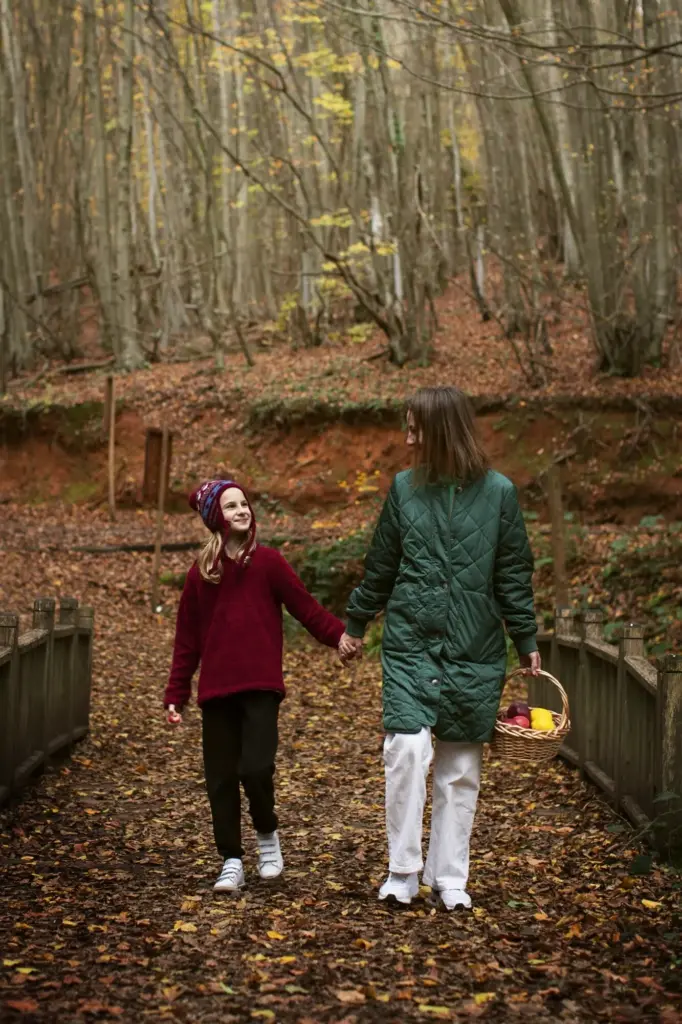
A whistle-stop with a single bench leads across a footbridge to pines and mushrooms. Cabins sit five gentle minutes away. The ranger shares a dawn loop where deer browse. You return for cocoa, lanterns twinkling, and a last train that never feels rushed.
Packing for Platforms and Paths
The Ten-Minute Bag
Footwear for Mixed Surfaces
Offline Info and Power
Places Thrive When Walkers Arrive on Foot
Year-Round Support for Small Businesses
When arrivals follow timetables, weekends spread into weekdays, sustaining cafes and inns beyond holiday peaks. Hikers buy local produce, crafts, and transit tickets. Predictable footfall justifies keeping doors open, staff trained, and ovens warm, so communities endure storms, shoulder seasons, and shifting travel fashions.
Landscapes Loved, Not Overrun
Replacing rows of parked cars with arriving footsteps preserves verges, gates, and sightlines. Rangers focus on habitat instead of traffic. Wayfinding improves when walkers share feedback. The path remains a living corridor where skylarks, sheep, and travelers move gracefully without competing for space.
Access That Welcomes More People
Short, clear approaches empower travelers who cannot or choose not to drive. Rail-connected stays unlock countryside joy for teens, elders, and city dwellers alike. Good lighting, honest gradients, and resting spots turn ambition into achievement, broadening the circle of stories told outdoors.
Join the Car‑Free Journey
All Rights Reserved.